
What Are Hardwood Shutters and How Are They Made?
The offer ends at the end of 5th December.
By Chris FrickerPublished Updated
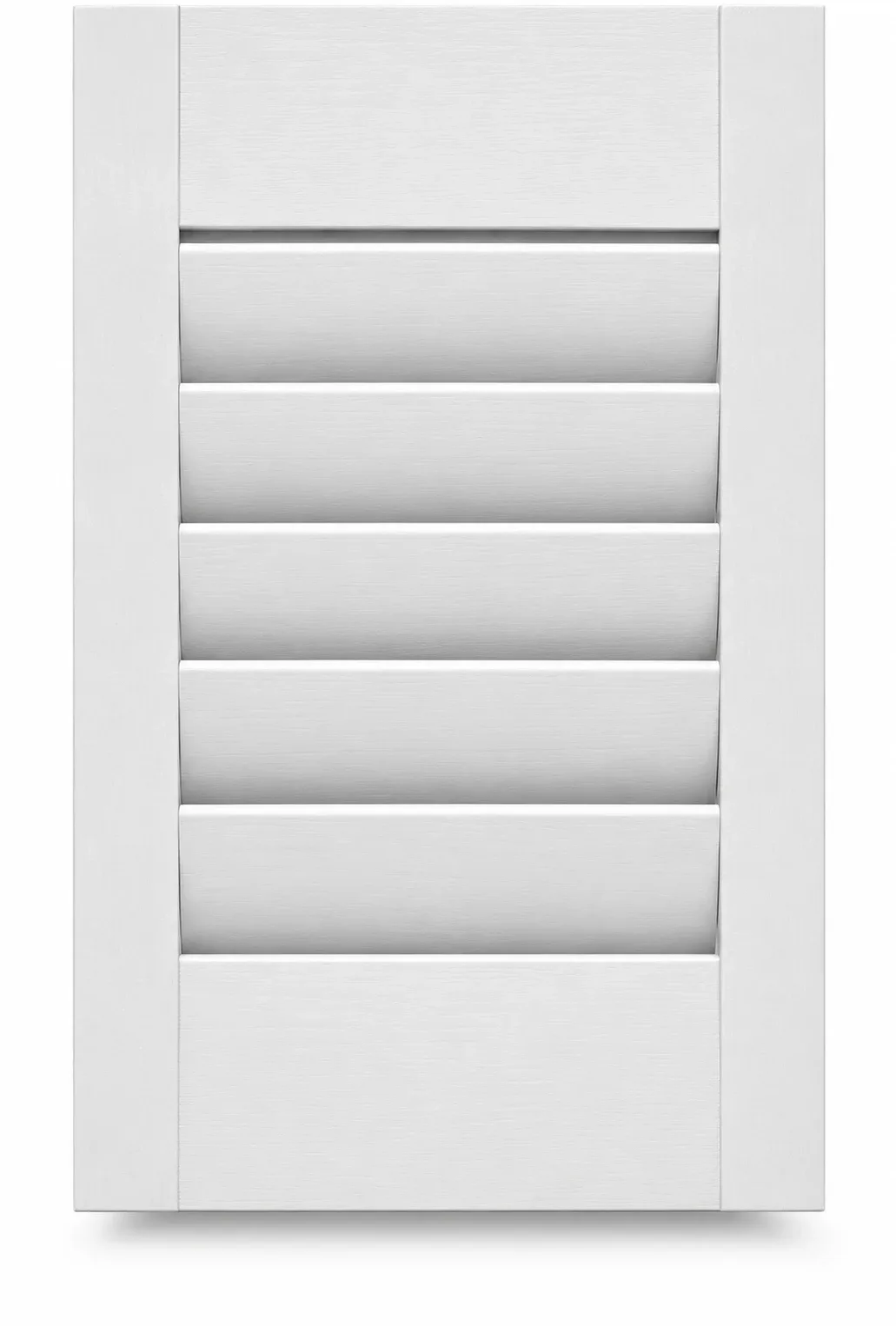
If you want new shutters but aren’t sure what to choose, hardwood is a good place to start. This guide explains what hardwood shutters are made from, how they’re made and what to look for.
Compare every shutter material or see our colours and finishes.
What hardwood shutters are made from
Hardwood shutters are made from real timber. Both of our hardwood ranges use sustainably and responsibly sourced wood.
Basswood is made from sustainable, premium-quality hardwoods, and its stained option uses Paulownia, one of the world’s fastest-growing tree species, valued for the natural beauty of its grain.
Samoa uses ayous when painted and white teak when stained, both chosen for their dimensional stability. The wood comes from a plantation in the Solomon Islands that complies with the European Timber Regulations (EUTR).
How hardwood shutters are made
It starts at your home. After the visit we carry out a detailed technical survey, so every shutter is made for your exact window and fits to the millimetre.
The timber is shaped into frames, panels and louvres, with layers of wood tightly bonded so they resist twisting and warping. Each shutter is then painted or stained. Every shutter has six coats of paint or stain and a UV protective layer, which reduces the chance of fading in sunlight.
Why choose hardwood
- Lighter panels, so larger windows and wider spans are possible
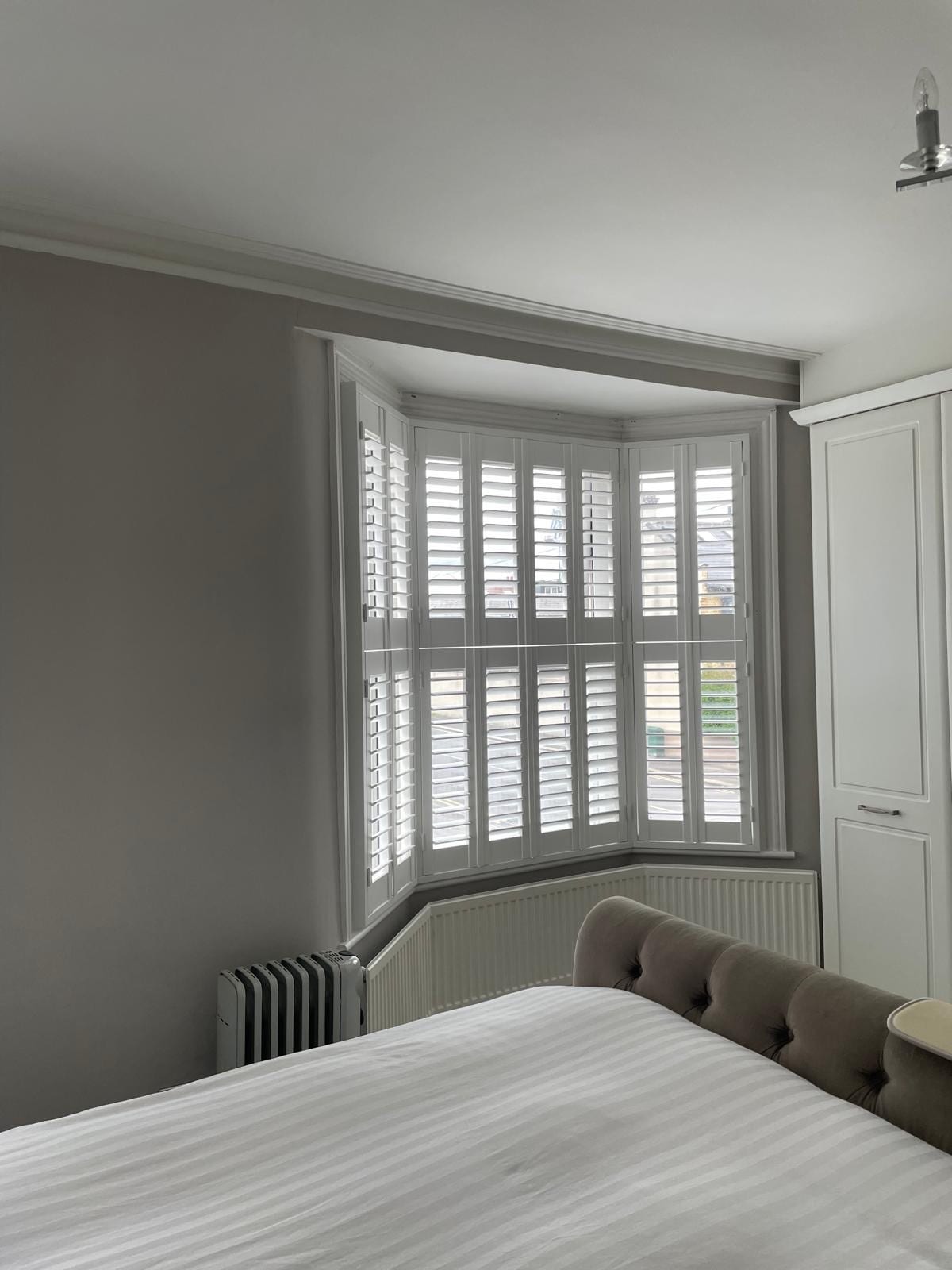
- Can be made for bay windows and curved or angled special shapes
- 23 paint colours, 27 stains and a custom colour match
- Five louvre sizes, from 47mm to 114mm
- Sustainably sourced timber
Painted or stained?
Paint gives a clean, solid colour, and white is the most popular. A stain lets the grain show through, from light tones like Limed White to dark ones like Wenge.
Swatches are only a guide, so we bring samples to your home and you can see them in your own light.
Looking after hardwood shutters
The finish is quick to wipe clean with a damp cloth, and a damp cloth is all most shutters need. Wide louvres are the easiest to clean, because there is more room to wipe between them.
Not sure which range suits which room? Our guide to choosing a shutter material explains each one.
Shutters we’ve fitted recently
See the materials in your own light
We bring samples to your free home visit so you can compare finishes at your windows, then give you a clear, no-pressure quote. Prefer to talk? Call 020 7101 4698.
Book a Free Home Visit